
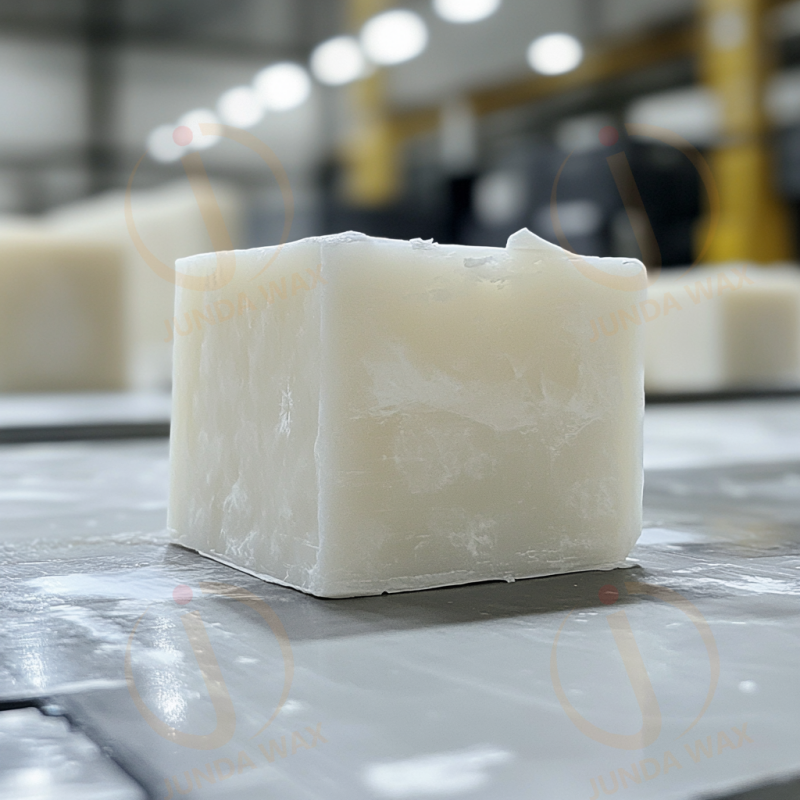
Soy wax, as a natural plant wax, is refined from hydrogenated soybean oil. It is environmentally friendly, non-toxic, and biodegradable, making it an ideal raw material for scented candles and container candles. The melting point of soy wax typically ranges from 45℃ to 52℃. This characteristic endows it with excellent low-temperature combustion performance and aroma release ability, but also poses unique challenges in high-temperature transportation environments.
The most common phenomenon caused by high temperatures: "Sweating"
Many people who have used or transported soy wax products have experienced this: After receiving the candles, a layer of transparent liquid appeared on the surface, looking like small water droplets. In the industry, this is called "sweating" or "oiling". In fact, these liquids are not water, but wax liquid or added essential oils. The melting point of soy wax is relatively low (45-52℃). When the environmental temperature rises, the liquid fats in the wax body will precipitate onto the surface. Especially in summer, the temperature inside the freight containers or vehicles may be much higher than the external temperature, and soy wax products are very likely to encounter this situation during transportation.
However, this phenomenon is usually reversible. Place the candle in a cool, well-ventilated environment at room temperature. The wax oil that has separated will gradually be reabsorbed by the wax, and the surface can return to normal, without affecting its usability. The problem lies in that if the temperature remains excessively high or for an excessively long period, the amount of liquid that separates may be too large, causing the packaging to leak, the wax to deform, or even complete melting. Then, there will truly be a problem.
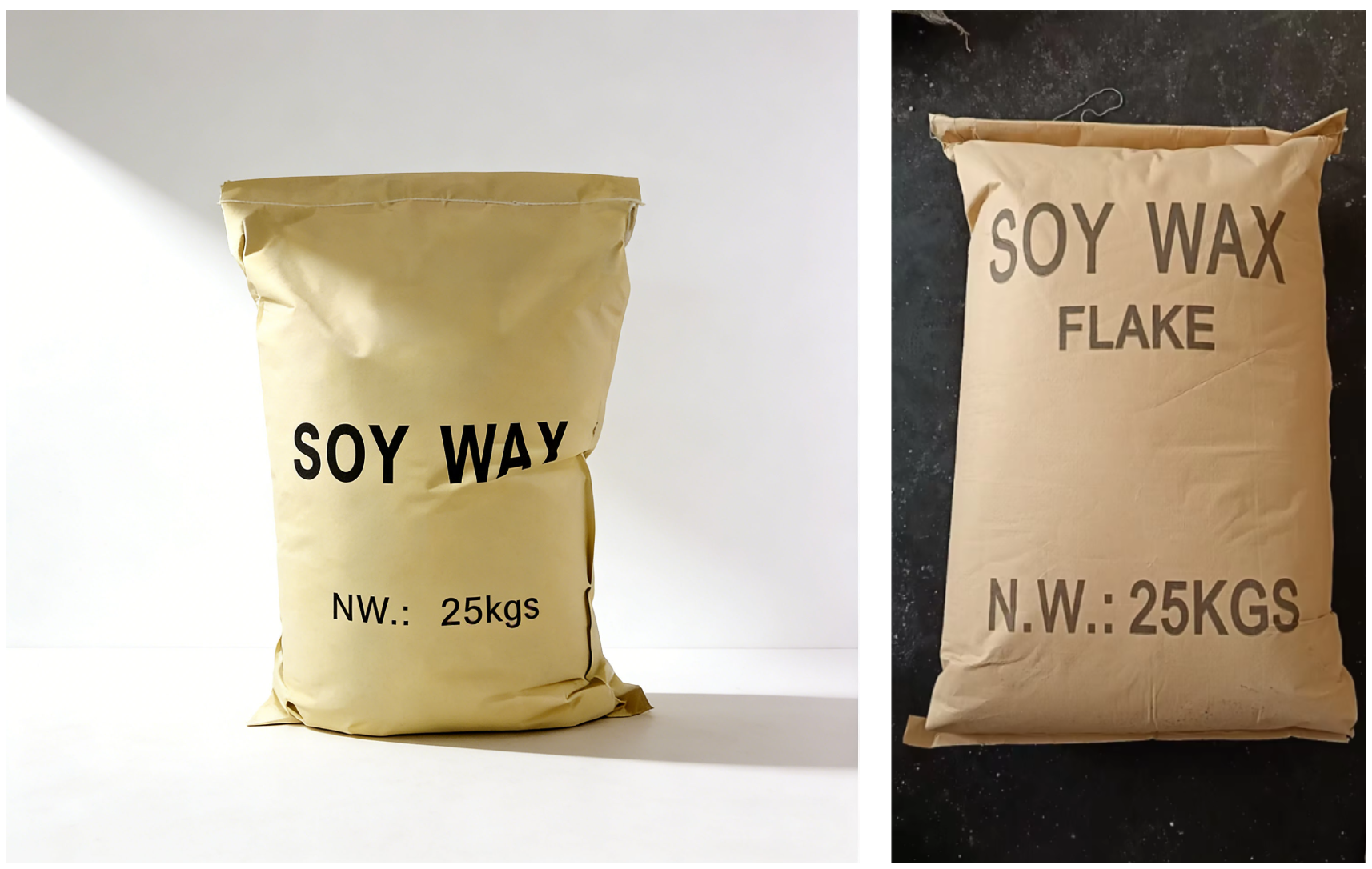
Softening deformation and packaging damage risks
A more serious situation than surface oil leakage is the overall softening or even melting of the wax. Some colleagues have reported that during transportation in summer under high temperatures, if the transportation time is long and there is no temperature control during the journey, the soybean wax products may melt directly during the journey. Once the wax melts, the outer packaging is very likely to get wet and damaged, and it will be impossible to deliver upon arrival. For export orders, the cost of such losses is quite high.
From the perspective of national standards, the transportation temperature for plant waxes (including soybean wax) should not exceed 35℃. However, in actual maritime or land transportation scenarios, this condition is often difficult to meet. In containers exposed to intense sunlight, the internal temperature may exceed 60℃, far exceeding the melting point of soybean wax. Therefore, orders destined for high-temperature areas require particularly thorough planning in advance.
Select the appropriate melting point grade
Uno dei modi principali per evitare i rischi legati alle alte temperature è scegliere il grado di punto di fusione appropriato della cera. Ci sonocera di soiaSul mercato sono disponibili prodotti con punti di fusione di 42℃, 52℃, 58℃ e persino superiori. Attualmente, la cera con punto di fusione di 52℃ è la più diffusa per le candele in contenitore ed è adatta alla maggior parte degli ambienti interni; tuttavia, se il prodotto deve essere esportato in regioni tropicali o subtropicali, o trasportato su lunghe distanze in condizioni di alta temperatura durante l'estate, si raccomanda di privilegiare l'utilizzo di una cera con punto di fusione medio-alto.cera di soiacon un punto di fusione di 58℃ o superiore. Tale cera presenta una maggiore stabilità termica e può ridurre significativamente il rischio di rammollimento e deformazione. Non si tratta solo di una scelta tecnica, ma anche di una strategia di controllo del rischio studiata per mercati specifici.
Junda Wax: un fornitore affidabile di cera di soia.
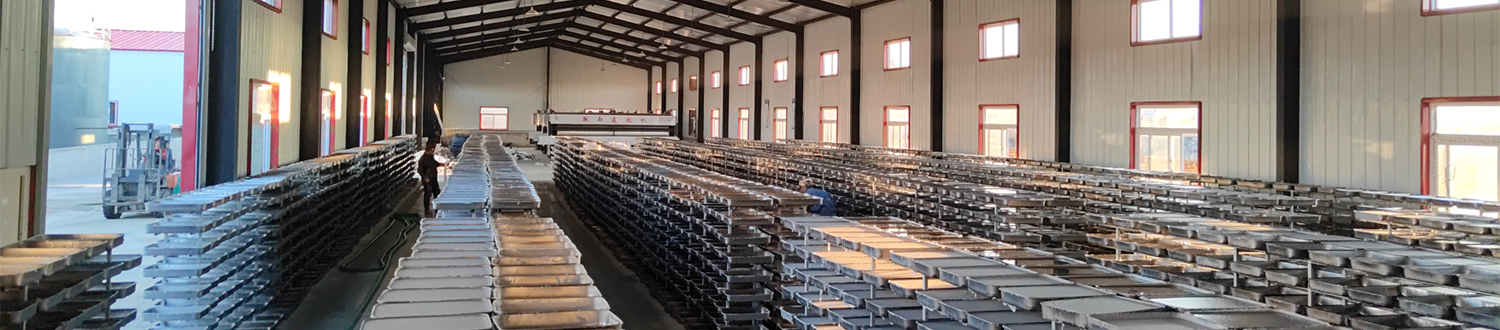
Le perdite causate dal trasporto ad alte temperature possono essere ampiamente evitate scegliendo i prodotti giusti e adottando misure preventive in anticipo. Junda Wax ha maturato una vasta esperienza nella produzione e nell'esportazione di cera di soia. Fondata nel 2000, l'azienda ha sede a Fushun, nella provincia di Liaoning, e dispone di un moderno stabilimento di 20.000 metri quadrati. Il suo volume di esportazione annuale supera le 30.000 tonnellate e i suoi prodotti vengono esportati in oltre 50 paesi e regioni.
Il punto di fusione effettivo della cera di soia naturale di Junda Wax è di 52,3 °C, con un contenuto di umidità di appena lo 0,01% e un valore di acidità di soli 0,02 mg KOH/g. Questi indicatori significano che il prodotto brucia in modo più stabile, è meno soggetto alla formazione di bolle e crepe e presenta una buona stabilità di conservazione. Grazie alla qualità costante e alla consolidata esperienza nell'esportazione, Junda Wax è in grado di fornire ai clienti consigli sui tipi di cera di soia più adatti alle diverse condizioni climatiche e destinazioni, contribuendo a ridurre le perdite causate dal trasporto ad alte temperature.
